


InfrastructureJune 7, 2026
Edge AI Observability Without Phoning Home
How to monitor on-vessel AI inference, GPU health, and model performance using Prometheus, Grafana, and OpenTelemetry without any cloud dependency.
By Ethan Marsh·12 min read
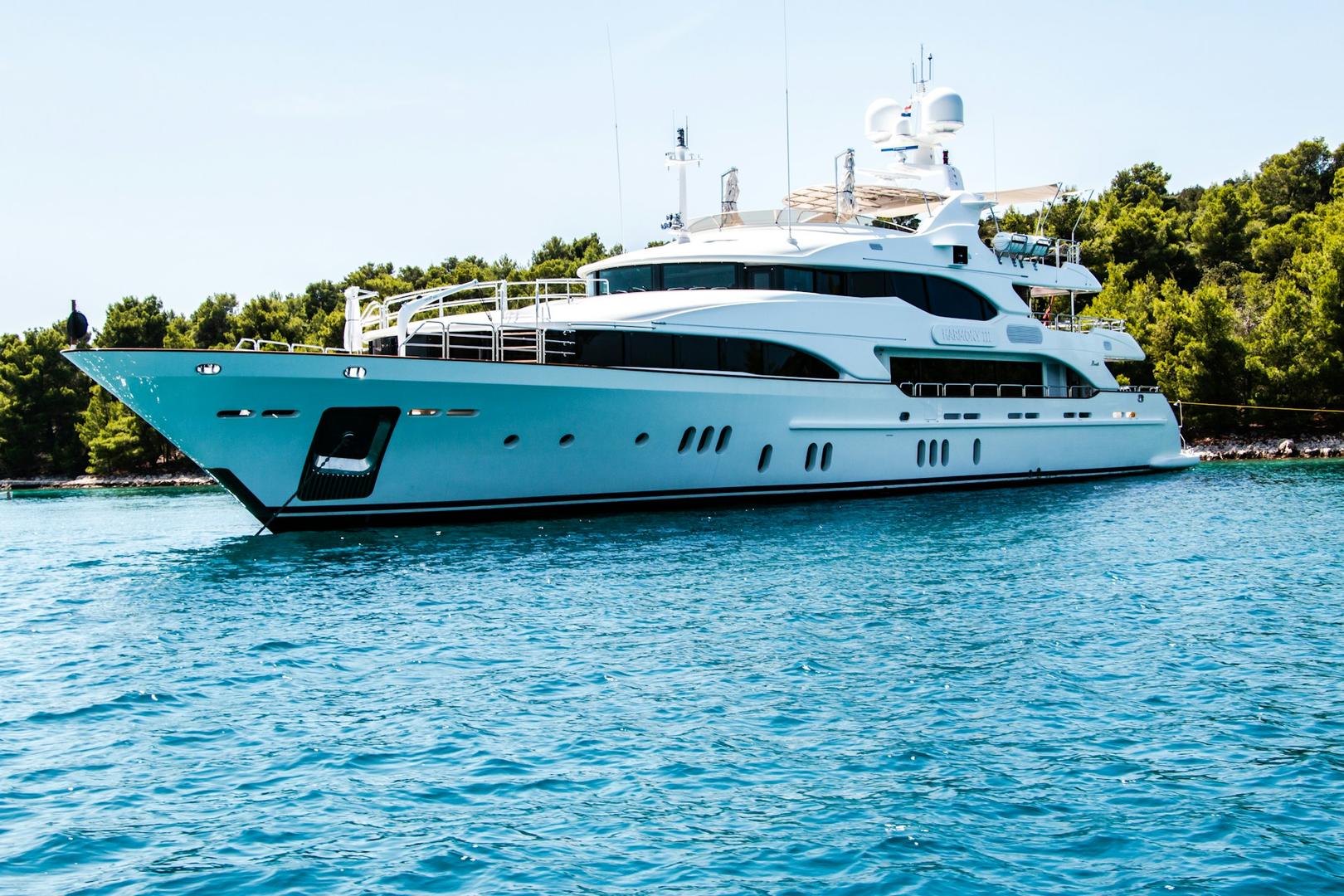
Private AI, running on your vessel. Conversations, knowledge, and voice that do not depend on the satellite.
Your vessel generates terabytes of sensor and operational data every voyage. Your satellite bandwidth is measured in megabits, not gigabits. Your people need answers in seconds, not the next time the link comes back up.
The cloud was never designed for the open ocean. What works at sea is sovereign, self-sufficient AI that operates independently of shore-side connectivity. Computing that moves with the vessel, not against it.
30TB
of sensor and operational data per voyage
10 Mbps
satellite uplink, on a good day
22,000 mi
to the nearest cloud data center
4 days
since the last reliable shore connection
What We Build
Your situation may be one of these, a combination, or something we scope together in the first conversation.
Our signature deployment. Pick up any handset on the vessel, or call a dedicated line from anywhere in the world, and hear an AI that understands your operation. Grounded in your documents, your manuals, your own knowledge base. Works when the link is up. Works when the link is down.
Ask where a spare part lives. Ask how the last refit went. Ask what the captain told the guests last trip. The answer comes back in seconds, in whichever language you asked.
Owner: Where did we store the spare injector for the port generator?
Vessel AI: Engineering locker, bay three, bin seven. Logged by the chief on the last refit in Palma.
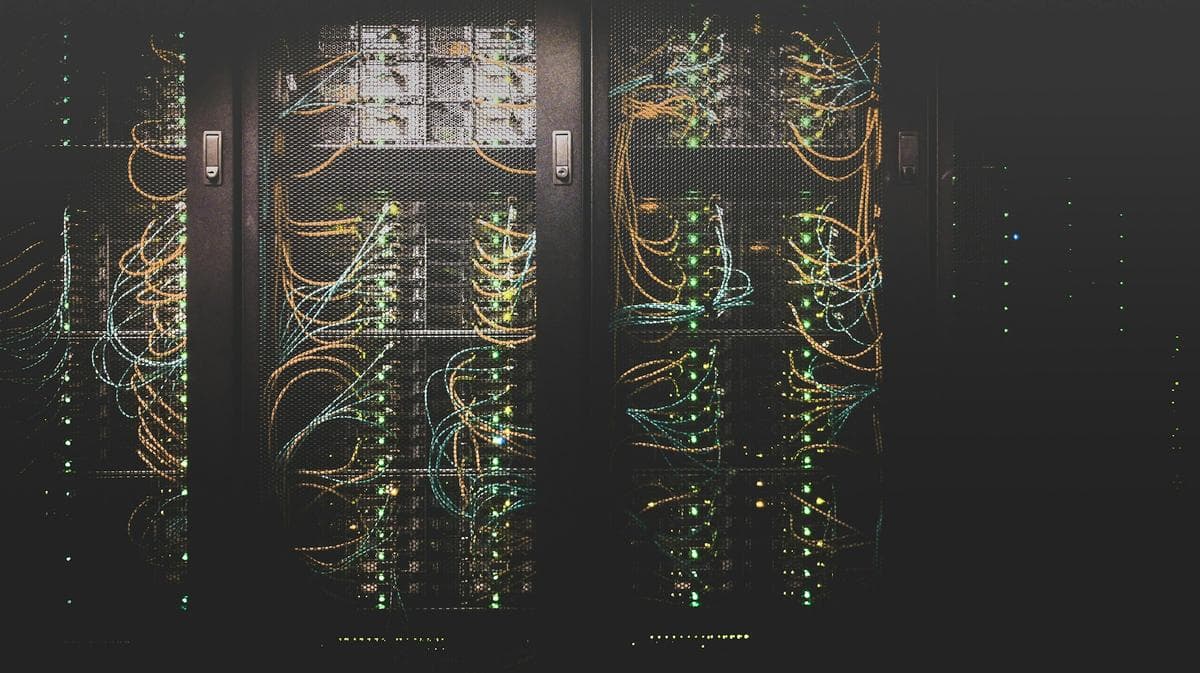
NVIDIA H100, H200, L40S, and B200 configurations, installed in the vessel’s existing server space or an IT closet scoped for it. The hardware is standard enterprise gear run in a reliable environment, not a proprietary box we pretend is marine-grade.
From Field Notes
How to monitor on-vessel AI inference, GPU health, and model performance using Prometheus, Grafana, and OpenTelemetry without any cloud dependency.
By Ethan Marsh·12 min read
Most incident response plans assume reliable connectivity and an IT team down the hall. Vessel operators have neither. A maritime IR playbook.
By Marcus Hale·11 min read
Build, buy, or self-host voice assistants for multilingual yacht crews. Real latency numbers for Whisper, Piper, and Deepgram on vessel hardware.
By Ethan Marsh·11 min read
From The Watch
RIMPAC 2026 deploys autonomous logistics vessels that must operate when satellite links are contested. The same lesson applies to your yacht.
By James Calder
NVIDIA's open-weight Nemotron 3 Nano activates 3B of 31B parameters at inference. Here is what that means for on-vessel deployment.
By Ethan Marsh
CISA BOD 26-04 requires three-day patching for critical vulnerabilities. At sea, that timeline is fiction without local vulnerability management.
By Marcus Hale
A 135-meter vessel just navigated Rotterdam's busiest waterways with zero human input. Every decision ran on local hardware.
By James Calder
NSF is dismantling 900 deep-sea monitoring instruments. Vessels that keep their own data on local hardware will not notice.
By James Calder
Subscribe
Short commentary on maritime, AI, and edge computing, delivered when something happens. Filtered through one question: does it matter if you lose the link?
No spam. Unsubscribe any time.
The Watch is our public notebook. Pillar essays live in Field Notes; commentary and reactions live here. Subscribers get both in their inbox when they ship.

Whether you're a single superyacht or a fleet of cruise ships, we design and deploy sovereign AI that stays yours: on the vessel, off the cloud, under your control.